


Commercial Security Systems in San Jose, CA for Property Management
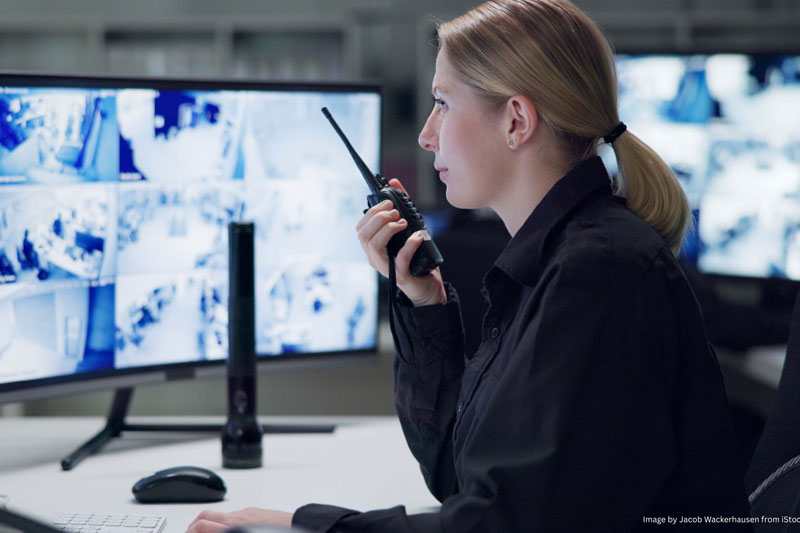
When a radio stops working in a parking structure, a security camera fails at a building entrance, or an employee has unrestricted access to a sensitive area, the problem is more than a piece of equipment. These issues can affect response times, incident investigations, employee safety, and the daily operation of a commercial property.
For property managers and security teams, effective commercial security systems in San Jose, CA need to support three essential functions: reliable communication, clear video visibility, and controlled access. Commercial radio systems keep maintenance, security, and operations personnel connected. Video surveillance systems help teams monitor entrances, parking areas, and other critical locations. Access control systems help ensure that only authorized people can enter restricted areas.
These technologies work together as part of a property’s overall commercial security system. When radio communications, video surveillance, and access control are properly planned, property teams have better tools for managing daily operations and responding to security concerns.
Bridge Wireless helps commercial properties evaluate and improve radio systems, video security, access control, and other commercial security solutions based on how the property and its teams actually operate.
What Should a Commercial Security System Address?
The right commercial security system should address the property’s specific communication, surveillance, and access requirements.
Consider a large office building, shopping center, or high-tech campus. Maintenance technicians may work in equipment areas and parking structures while security personnel monitor entrances and property managers coordinate vendors, deliveries, and tenant needs.
A reliable commercial radio system allows employees to communicate throughout the property. Video surveillance systems provide visibility where security incidents are most likely to occur. Access control systems limit entry to areas such as IT rooms, laboratories, and management offices.
These systems address different security requirements, but they all support the same goal: helping property teams maintain a safe, controlled, and well-managed environment.
Rather than evaluating each technology in isolation, property teams can look at how their commercial security systems support the people responsible for keeping the building safe and operational.
How Two-Way Radio Systems Support Property Operations
Employees need reliable radio communication wherever their work takes them.
Basements, parking structures, mechanical areas, and other difficult-to-cover locations can create radio dead spots. A battery that does not last an entire shift can create another problem, particularly for employees who depend on their two-way radio systems throughout the day.
Damaged radios and an insufficient number of units can also make communication difficult. A property manager may not be able to reach a maintenance technician quickly, or security personnel may have limited communication capabilities when additional staff are needed during an incident.
Bridge Wireless provides commercial radio systems in San Jose, including Motorola Solutions two-way radios, repeaters, and related communication equipment. The appropriate radio system depends on the user’s responsibilities, communication requirements, and the environment in which the equipment will be used.
For properties with coverage problems, radio repeater systems can extend coverage into areas where signals are weak or unavailable. Coverage planning can help determine where improvements are needed rather than simply adding equipment throughout the property.
Callboxes provide another communication option at locked entrances and restricted doors. They allow delivery drivers, vendors, and visitors to alert property personnel without requiring the entrance to remain unsecured.
For property managers, a well-designed commercial radio communication system can help maintenance, security, and operations teams stay connected throughout the workday.
Video Surveillance for Commercial Properties
A video surveillance system should provide useful coverage and image detail where security personnel need it most.
A security camera that is no longer functioning, produces poor-quality images, or does not cover an important area can become a serious problem when an incident occurs. Break-ins, vandalism, theft, and accidents may require security personnel to review recorded video and determine what happened.
Video surveillance coverage can also become inadequate as a property changes. New entrances, remodeled areas, changes in traffic patterns, or previously overlooked locations can create security camera requirements that were not part of the original system design.
Bridge Wireless provides commercial video surveillance systems using Avigilon platforms. Avigilon Unity supports on-premise video infrastructure, while Avigilon Alta provides a cloud-based video security option.
Security camera selection should be based on the location and the type of visibility required. Dome cameras may be appropriate for certain interior areas and entrances. Bullet cameras can provide directional coverage for specific exterior locations or approaches. Multisensor cameras can provide multiple views of larger areas.
An effective commercial video surveillance system should account for entrances, parking areas, traffic patterns, lighting, existing blind spots, and the level of detail security personnel need from recorded footage.
The goal is not simply to have more cameras. It is to provide useful video coverage in the locations where property teams need visibility most.
When Does an Access Control System Need an Upgrade?
An access control system should provide reliable entry to authorized personnel while limiting access to sensitive areas.
Commercial properties commonly restrict access to IT equipment rooms, laboratories, management offices, building entrances, and other areas containing valuable equipment, information, or infrastructure. Electronic physical access control systems can combine technologies such as card readers, doors, and locks to control access to secured facilities and controlled areas.
Problems can arise when door readers stop working, important doors are not controlled, or an older access control system becomes difficult to manage. Relying on physical keys can also make it harder to manage access as employees, contractors, and responsibilities change.
With controlled credentials, security and property management teams can determine who is authorized to enter specific areas and update access as personnel or responsibilities change. This provides greater control than relying solely on physical keys.
Access control can be particularly important for areas such as IT rooms, laboratories, management offices, equipment rooms, and other restricted spaces where unauthorized access could create security or operational concerns.
For commercial properties, the objective is straightforward: give authorized personnel the access they need while helping prevent unauthorized entry into sensitive areas.
How Should Property Managers Prioritize Security System Upgrades?
Start with the problems employees encounter during normal operations.
For commercial radio systems, identify areas where employees regularly lose coverage. Review recurring battery and repair issues and determine whether enough working radios are available for the people who need them.
For video surveillance systems, identify failed security cameras, poor image quality, blind spots, and locations where property activity has changed since the original system was installed.
For access control systems, review malfunctioning readers and determine which entrances and sensitive areas require controlled access. Consider whether the existing access control platform provides the management capabilities the property needs today.
This approach gives property managers a practical way to prioritize commercial security system upgrades based on risk, frequency of failure, operational impact, and budget.
Not every property needs to replace every system at once. Addressing the most significant problems first can provide a practical path toward improving the property’s overall security systems and communications infrastructure.
Why Bridge Wireless for Commercial Security Systems?
Bridge Wireless helps commercial properties address communication and security challenges based on how their teams use the property.
The goal is not simply to recommend more equipment. It is to understand where existing security systems and communication systems are creating problems and determine what changes can make the greatest practical difference.
Bridge Wireless works with property managers, security personnel, maintenance teams, and operations staff to evaluate:
- Commercial radio systems and coverage requirements
- Radio equipment condition, battery performance, and availability
- Video surveillance systems and security camera performance
- Surveillance blind spots and image-quality requirements
- Commercial access control systems and credential requirements
- Opportunities to modernize aging commercial security systems
This approach allows property teams to address immediate problems while also planning for future changes to the property, staffing, and security requirements.
By looking at radio communications, video surveillance, and access control together, Bridge Wireless can help property teams develop a more complete understanding of their commercial security system needs.
Frequently Asked Questions
What are the main components of commercial security systems?
For many large commercial properties, security infrastructure includes commercial radio systems, video surveillance, and access control. The right combination depends on the property’s layout, personnel, security requirements, and existing equipment.
How can radio coverage be improved in a parking structure?
Start by identifying where radio signals become weak or unavailable. A radio repeater system may improve coverage in parking structures, basements, and other difficult-to-cover areas. A coverage assessment can help determine the appropriate commercial radio solution.
When should a commercial security camera be replaced?
Consider replacing a security camera when it fails, produces inadequate image quality, or no longer provides the coverage required for its location. Property changes can also create new video surveillance requirements that an older system may not adequately address.
Which areas should have access control?
Common examples include building entrances, IT equipment rooms, laboratories, management offices, and other areas where access should be limited to authorized personnel. The appropriate locations depend on the property’s operations and security requirements.
Can radio, video surveillance, and access control systems be upgraded separately?
Yes. Property teams can address their highest-priority needs first and phase additional improvements over time. Evaluating radio systems, video surveillance systems, and access control systems together, however, can help identify related issues and avoid creating new security gaps as individual systems are upgraded.
Discuss Your Property’s Security Needs.
Commercial properties depend on more than locks and cameras to keep people, buildings, and operations secure. Employees need reliable radio communications, security teams need useful video surveillance, and sensitive areas need effective access control systems.
The best place to begin is with the problems occurring during everyday operations: the parking level where radio systems stop working, the entrance camera that no longer provides useful detail, or the IT room that needs better access control.
Those observations can provide a practical starting point for evaluating commercial security systems in San Jose, CA.
Bridge Wireless works with property managers and security teams to evaluate commercial radio systems, video surveillance systems, access control systems, and broader commercial security requirements and identify solutions suited to the property’s environment.
Need to improve radio coverage, video surveillance or access control at your San Jose commercial property? Contact Bridge Wireless at 408-264-8500 to discuss your existing equipment, coverage concerns and security priorities. Our team can help you identify practical next steps for your property.